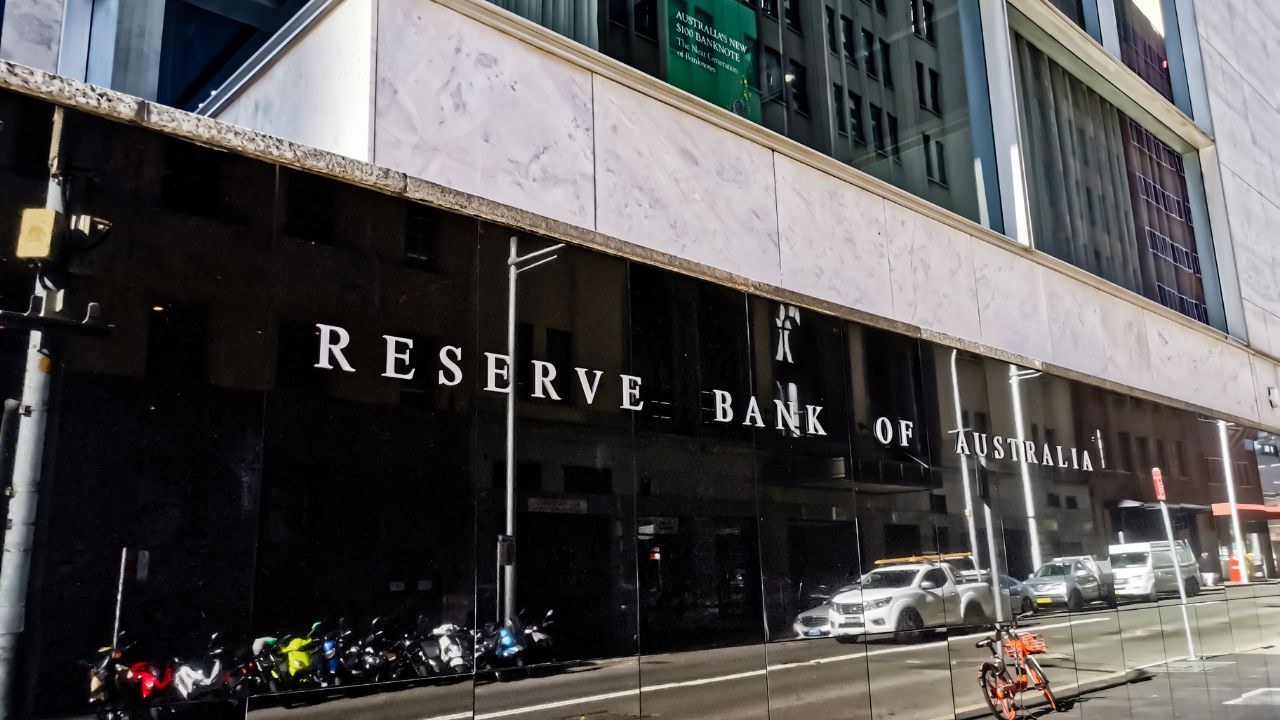
For the Australian housing market, this pause offers much-needed breathing space, though borrowing constraints, affordability pressures, and supply shortages continue to dictate local market dynamics.
Is this a turning point for property? Experts weigh in on what’s next for housing.
The shift toward a neutral monetary policy setting is expected to redefine real estate market dynamics heading into the winter season. Industry analyst Dr Nicola Powell suggests that consumer sentiment will now heavily depend on how safely the central bank can steer the economy through sticky inflation without triggering a broader downturn.
“The June meeting is less about the decision itself and more about what comes next,” Dr Powell said.
“The RBA has already delivered a sharp adjustment, lifting rates three times in five months and returning policy to restrictive settings. This has materially reduced borrowing capacity and is feeding directly into softer housing demand, particularly in more interest-rate sensitive markets like Sydney and Melbourne.”
“We are now starting to see clearer evidence of that. The lift in unemployment alongside a fall in employment points to a gradual cooling in labour market conditions and reinforces that tighter policy is gaining traction across the economy,” Dr Powell said.
“This creates a more complex backdrop for the RBA. Inflation is still too high, but the economy is clearly losing momentum. How the Bank balances these competing pressures will be critical, not just for monetary policy, but for housing market confidence and activity over the next 6–12 months.”
The decision to maintain the current cash rate follows a highly aggressive opening to the year, where borrowers faced consecutive adjustments. While domestic inflation pressures remain a lingering concern, Angus Moore explains how global shifts are beginning to relieve some pressure on the RBA’s long-term target projections.
“While the RBA remains focused on inflation, and underlying inflation remains above the RBA’s target band, they are comfortable to wait and see how the effects of the interest rate hikes already in place flow through,” he said.“There are signs household spending growth has slowed down, after a surprisingly strong end to 2025. The housing market has also slowed, with home prices holding flat nationally in May, and modest price declines in Sydney and Melbourne. That softness is likely to continue through the rest of 2026, as the full effect of the rate hikes weigh on borrowing capacity and home prices.”
“Sunday’s announced peace deal, and the consequent fall in global oil prices, are also going to take some pressure off headline inflation.”
The pause on interest rates is anticipated to steady consumer confidence over the winter listing period, allowing buyers to re-evaluate their purchasing power. Mathew Tiller explains how a soft downturn in auction clearance rates across various regional sectors reveals that the sense of buyer urgency seen during early housing cycles has transitioned toward longer, strategic negotiations.
“In the property market, higher interest rates have reduced borrowing capacity and weighed on buyer confidence, so this provides some much-needed breathing space,” Mr Tiller said.
“Auction clearance rates have eased in many markets, indicating buyers are becoming more selective. Listings have increased, providing more choice and reducing some urgency seen earlier in this housing cycle.
“Those who have adjusted their budgets to the current interest rate are taking advantage of improved negotiating conditions and are out there inspecting new listings. Likewise, vendors who are realistic about their price expectations are continuing to achieve successful results.”
Though capital city trends show varying speeds of price adjustment, localised pockets continue to demonstrate strong resistance to higher borrowing costs.
Nigel O’Neil said affordability and infrastructure access are proving to be the primary drivers for buyers re-entering the metropolitan market as macro conditions stabilise.
“The Reserve Bank’s decision to leave the cash rate on hold at 4.35 per cent should provide some welcome certainty for households, buyers and sellers who have spent much of the past year navigating economic uncertainty,” he said. “From my perspective, this is a positive outcome.”
He said while Melbourne dwelling values have softened in recent months, the market is proving more resilient than many people give it credit for. According to Cotality’s latest figures, values remain 0.5 per cent higher than they were a year ago, and buyers return as confidence gradually improves.
“What we’re seeing on the ground is that buyers haven’t disappeared. They simply paused while they assessed the impact of interest rates, global events and government policy changes. As those concerns settle, activity is picking up again.” He explained there is still genuine demand for well-priced family homes in the right locations.
“Another factor worth considering is that the family home is becoming an increasingly attractive long-term asset.
“With proposed federal tax changes reducing some of the benefits traditionally available to investors, the principal place of residence remains one of the few areas where Australians can still build wealth without paying capital gains tax, making upgrading or upsizing a more compelling option for many families. A rate hold won’t solve every challenge overnight, but it does provide stability. For buyers and sellers alike, that’s an important step towards rebuilding confidence.”
After three consecutive interest rates hikes this year, the RBA has now bought themselves some time to see how the economy reacts to these increases. For mortgage holders the decision to keep rates on hold offers them a reprieve, said Cameron Kusher, however they should be aware that as inflation remains high and there is a possibility that interest rates will have to rise further to curtail these pressures.
“For those buying or selling there may be an increased level of urgency to transact sooner rather than later because later may mean higher borrowing costs for buyers and reduced pool of buyers for those selling.
“In fact, the changes to negative gearing and the capital gains tax discount announced in the budget have already seen housing demand slow and buyer numbers thin.”
The Reserve Bank has left the cash rate unchanged as it balances persistent inflation pressures against growing signs that the economy is slowing, said Nerida Conisbee.While annual inflation eased from 4.6 per cent to 4.2 per cent in April, housing remains the largest contributor to inflation, with ongoing supply shortages, elevated construction costs and extremely tight rental markets continuing to put upward pressure on prices.
She said weakening economic growth is now emerging as a key challenge for policymakers; GDP grew by just 0.3 per cent in the March quarter, employment fell in April and unemployment rose to 4.5 per cent
“The bigger concern for the RBA is that economic growth is losing momentum,” Ms Conisbee said, noting that “household spending remains subdued, discretionary spending is weak and consumers continue to be cautious.”
She also warned that recent federal budget changes could further tighten rental markets by discouraging investor participation, resulting in “fewer rental properties available, tighter vacancy rates and stronger rental growth.”
Financial markets had strongly anticipated a pause based on the latest round of soft GDP and employment data. Matt Bell suggest that the risk of further rate hikes has dropped considerably over the past month, stabilising long-term investment models for residential construction.
Before today’s decision markets had priced in a ~98% chance of no change, with all big four banks forecasts falling in line; the recent run of softer than expected inflation and growth data combined with a rising unemployment rate has supported the case for a pause.