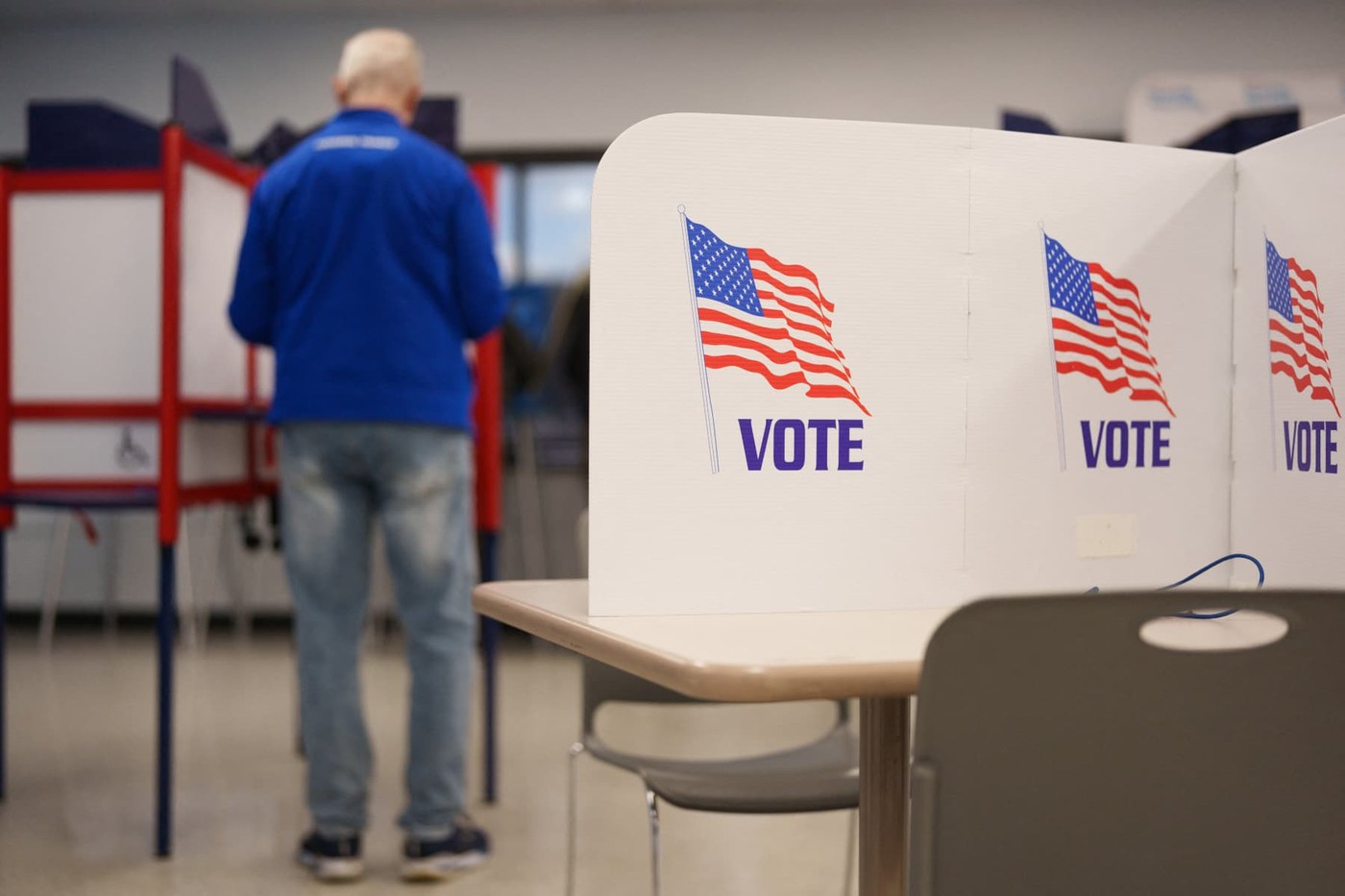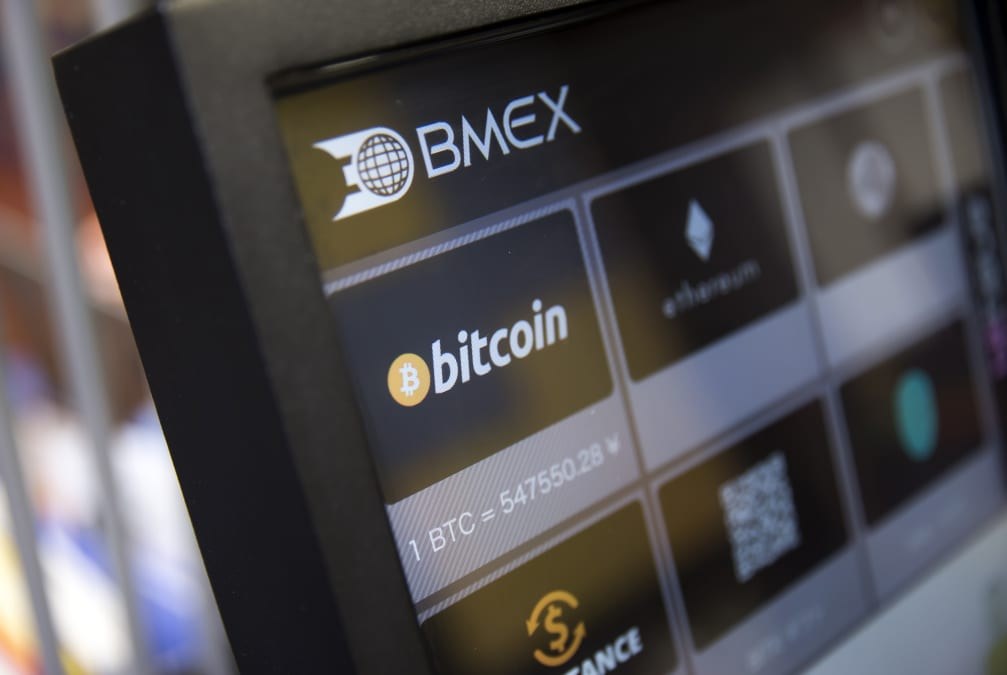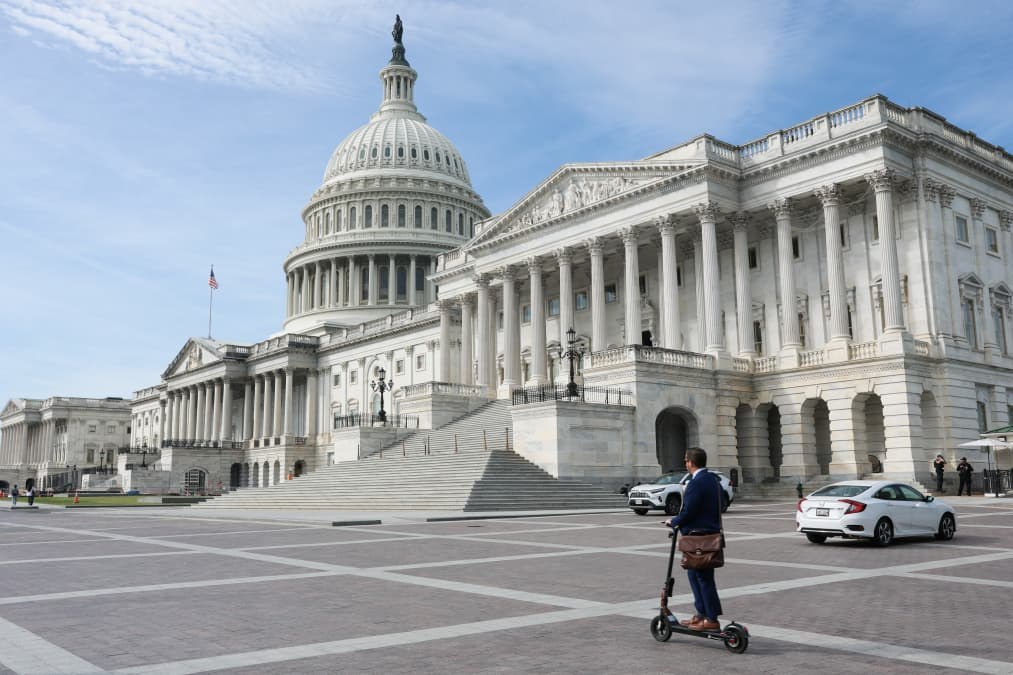
Cryptocurrency groups outpaced online betting and data center development groups in federal corporate political spending this election cycle, according to Public Citizen. Crypto-tied organizations have contributed more than $200 million in this election cycle.
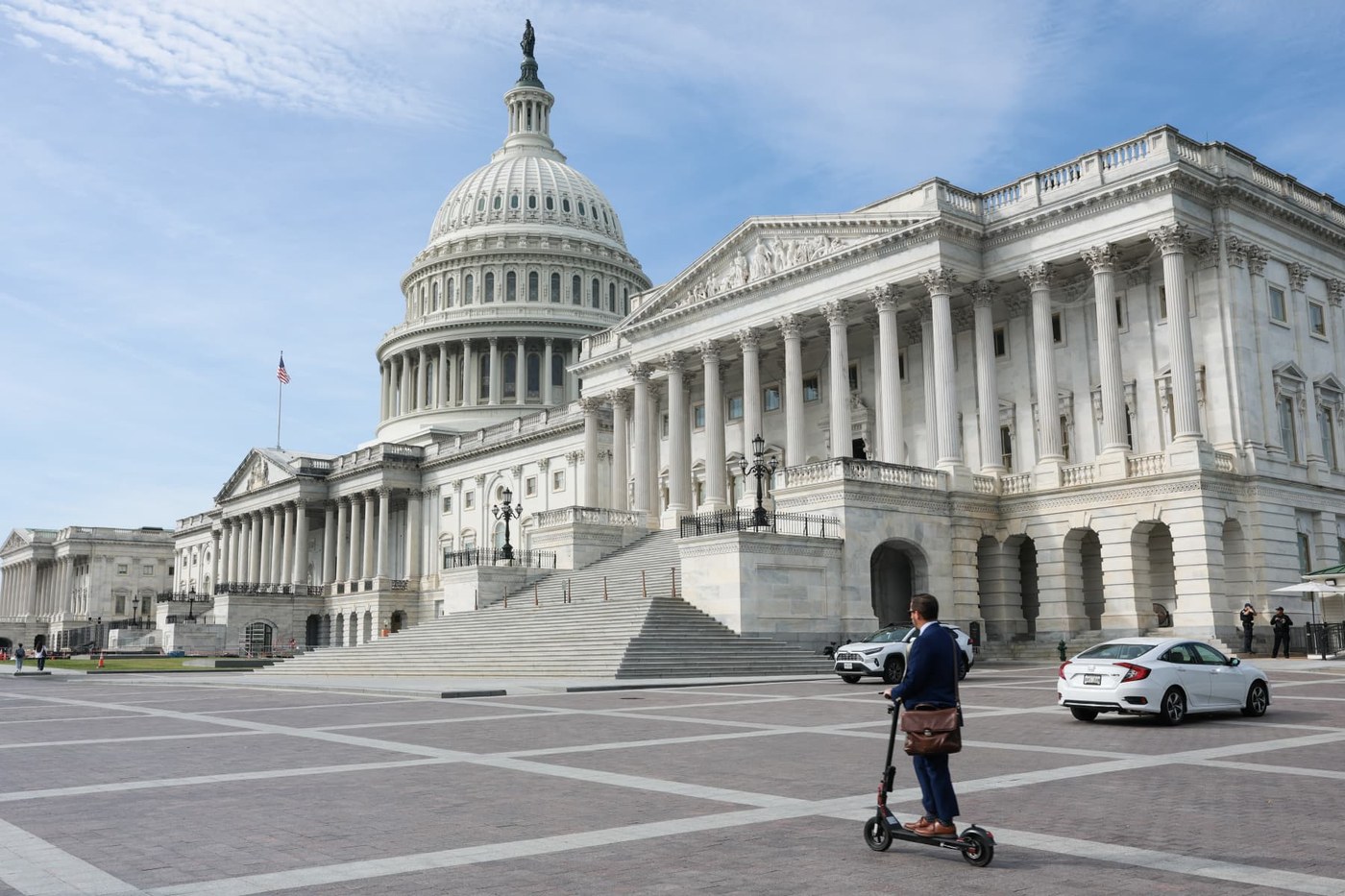
The industry is hoping to repeat the success of 2024, when super PACs spent $250 million to elect pro-crypto lawmakers and reshape Congress.
Crypto juggernaut Fairshake and its affiliated super PACs are throwing their support behind 33 House candidates — 19 Republicans and 14 Democrats — seen as key supporters of the industry's priorities.
The network is prioritizing six House incumbents by injecting a baseline of $1 million into their campaigns. Republicans Bryan Steil of Wisconsin, who chairs a digital assets subcommittee in the lower chamber, as well as French Hill of Arkansas and Bill Huizenga of Michigan, who serve as the chair and vice chair of the House Financial Services Committee, respectively. Democratic lawmakers receiving at least $1 million from Fairshake include Reps. Janelle Bynum of Oregon; Derek Tran of California; and Steven Horsford of Nevada.
Fairshake's spending spree has been supercharged by digital asset-focused companies, like cryptocurrency exchange Coinbase Global.
Coinbase established itself as one of the largest corporate political donors in modern history in the 2024 election cycle, contributing $79 million to federal races, according to OpenSecrets. That included a $1 million dollar personal contribution from CEO Brian Armstrong to Fairshake in 2023.
Coinbase donated $25 million to Fairshake's midterm efforts in 2025, according to the super PAC.
"The ultimate goal is to make sure that we bring our 20th century financial system into the 21st century," Ryan VanGrack, vice chairman at Coinbase, told CNBC.
"In an era where affordability is top of mind for American voters, it's important that we find a way that we can move money more cheaply, that we can invest more easily, and that we can transact more quickly, and fundamentally that is not something that Democrats or Republicans should oppose," he said.
The industry faced pushback in the current Congress as it urged lawmakers to pass landmark crypto legislation. In September, the Clarity Act, a bipartisan set of market structure rules for digital assets, stalled in the Senate after Democrats argued it didn't do enough to prevent top government officials from profiting off crypto ventures.
Shifting voter priorities
The stalemate over ethics comes as Americans grow increasingly gloomy toward government corruption. A Gallup poll released in September found a record 89% of U.S. adults say government corruption is widespread.
Changing voter priorities also present a headwind for crypto's legislative efforts. The latest CNBC All-America Economic Survey this month found only 20% of respondents rate the economy as excellent or good, down from 27% in July.
"Overwhelmingly, the issue right now is the affordability crisis," said Rep. Steven Horsford (D-Nev.), one of the three Democratic candidates Fairshake is giving more than $1 million.
Horsford, who introduced bipartisan legislation in May to modernize federal tax laws for digital assets, said crypto is still on the minds of some voters, alongside economic uncertainty.
"It definitely comes up in town halls and community meetings, in forums that I have, especially with small businesses who are looking to use digital assets and bitcoin," said Horsford. "They're being asked more and more by their consumers whether or not they take those those payments for services and goods."
A test of influence
November's elections will test crypto's continued influence on Washington.
The crypto industry is laser-focused on the Ohio Senate race between Democratic nominee, and former Senator, Sherrod Brown, a longtime crypto critic, and Republican Jon Husted, who is pro-crypto and currently holds the seat.
Fairshake spent about $40 million to unseat Brown in 2024, when the then-Senate Banking Committee chairman had promoted tougher crypto regulation and stalled a House-passed market-structure bill. The super PAC this cycle told CNBC it has already spent $55 million to oppose Brown.
A Marist poll conducted Oct. 15-18 showed Brown holding a four-point edge over Husted among likely voters statewide, within the margin of error of 4.5%.
"A lot of these races are going to be extremely tight," said Mason Lynaugh, executive director of the advocacy group Stand With Crypto, launched by Coinbase in 2023.
This election cycle, Stand With Crypto has endorsed a total of 45 candidates, 42 in the House of Representatives and three in the Senate.
Lynaugh told CNBC one of the reasons the group endorses candidates is because of their legislative record.
"We want to show that when we execute our program and we turn out those thousands or tens of thousands of Stand With Crypto advocates in these districts we are credibly ensuring that they get what they deserve for supporting crypto from the community that supports them," he added.
Money well-spent?
Digital assets and infrastructure company Ripple spent a total of $63.65 million in federal contributions last election, according to OpenSecrets, and the company is spending millions again now. Ripple donated $25 million in 2025, according to Fairshake.
Asked if the crypto industry got a good return on its investment, Stu Alderoty, Ripple's chief legal officer, told CNBC, "I think compared to where the industry was two years ago to where the industry is today, yes, I would say that that is a very good return."
Alderoty pointed to the GENIUS Act, which established the first federal framework for dollar-pegged stablecoins. President Trump signed the bill into law in July 2025, the first-ever standalone crypto legislation in the United States.
Alderoty noted that the industry has gotten clearer rules from both the Securities and Exchange Commission and the Commodity Futures and Trading Commission. He also pointed to advancements for the industry from the Office of the Comptroller of the Currency, noting that Ripple received final OCC approval this week to charter Ripple National Trust Bank, a federally supervised national trust bank.
But the latest guidelines from these agencies aren't meant to replace legislation from Congress, and the window to pass new laws for crypto may be closing.
Former New York governor Andrew Cuomo, now a board member of the crypto exchange OKX, told CNBC that lawmaking is unlikely if Congress changes hands in January.
"You're going to have a Democratic Congress overseeing an administration, the Trump administration, where the regulators are making decisions under the scrutiny of a hostile Congress, and that is not a good place to be because the Congress will be at loggerheads with the administration," he said.
Horsford, the Nevada congressman, told CNBC that time is of the essence.
"Every stakeholder needs to stay at the table and to continue to make the case why legislation is needed," he said.
If the Clarity Act doesn't advance before the end of the year, Congress will have to start from scratch on a new market structure bill for digital assets. And crypto super PACs are hoping their spending still has the influence to shape which lawmakers work on the next round of legislation.
"Regardless of who is elected in Congress, we're going to continue to see more regulatory clarity in this space," Coinbase's VanGrack, a former SEC senior advisor, told CNBC.
"It may be an open question whether we get all the way across the goal line, but it's not an open question about whether we're going to have progress and continue to see progress in terms of regulatory clarity in crypto," VanGrack added.
— CNBC's Luke Fountain contributed to this report.